
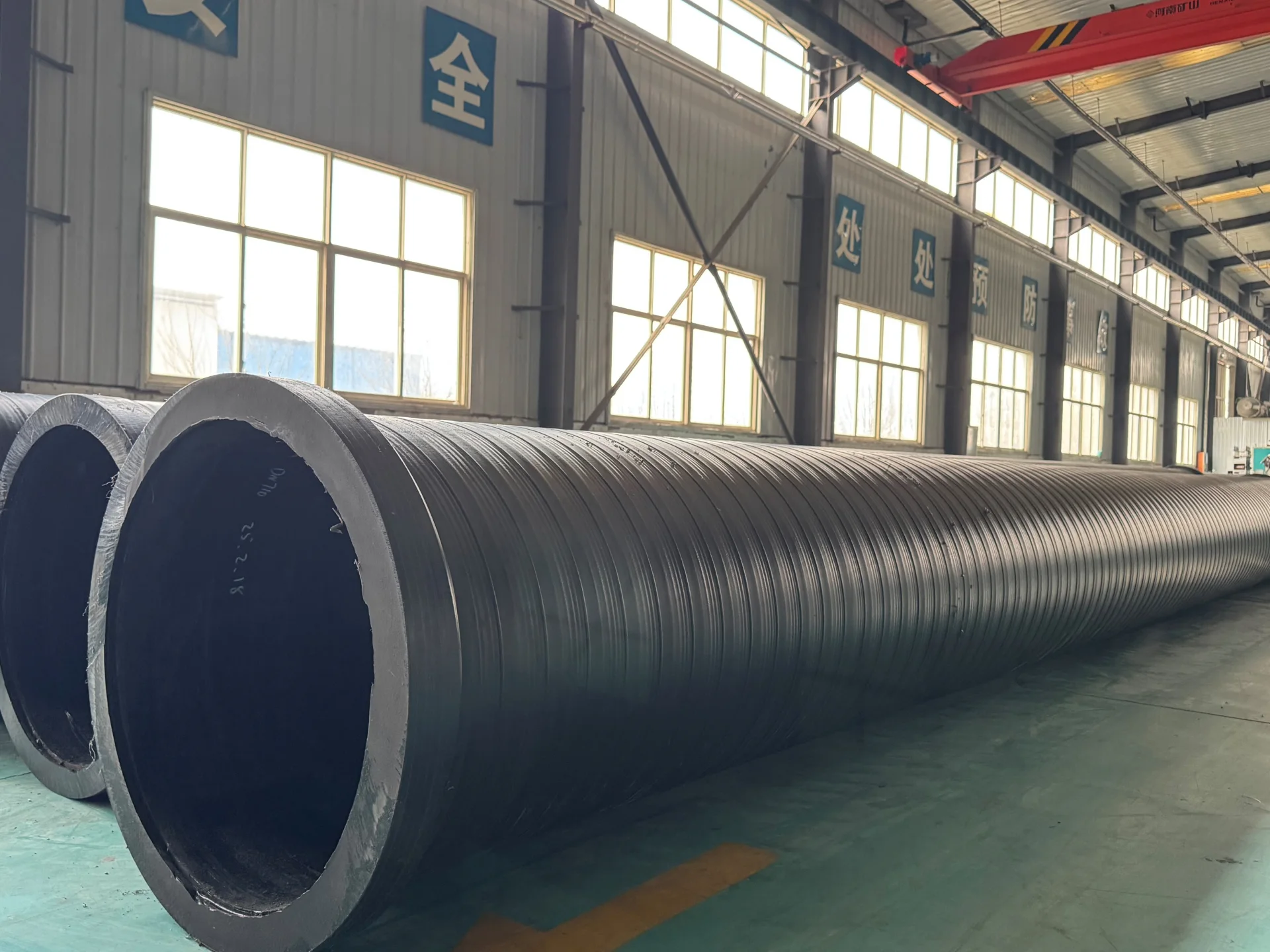
A useful enquiry starts with the operating conditions, not only a pipe diameter. Use this checklist to prepare a technical review for gravity-flow pipe projects.
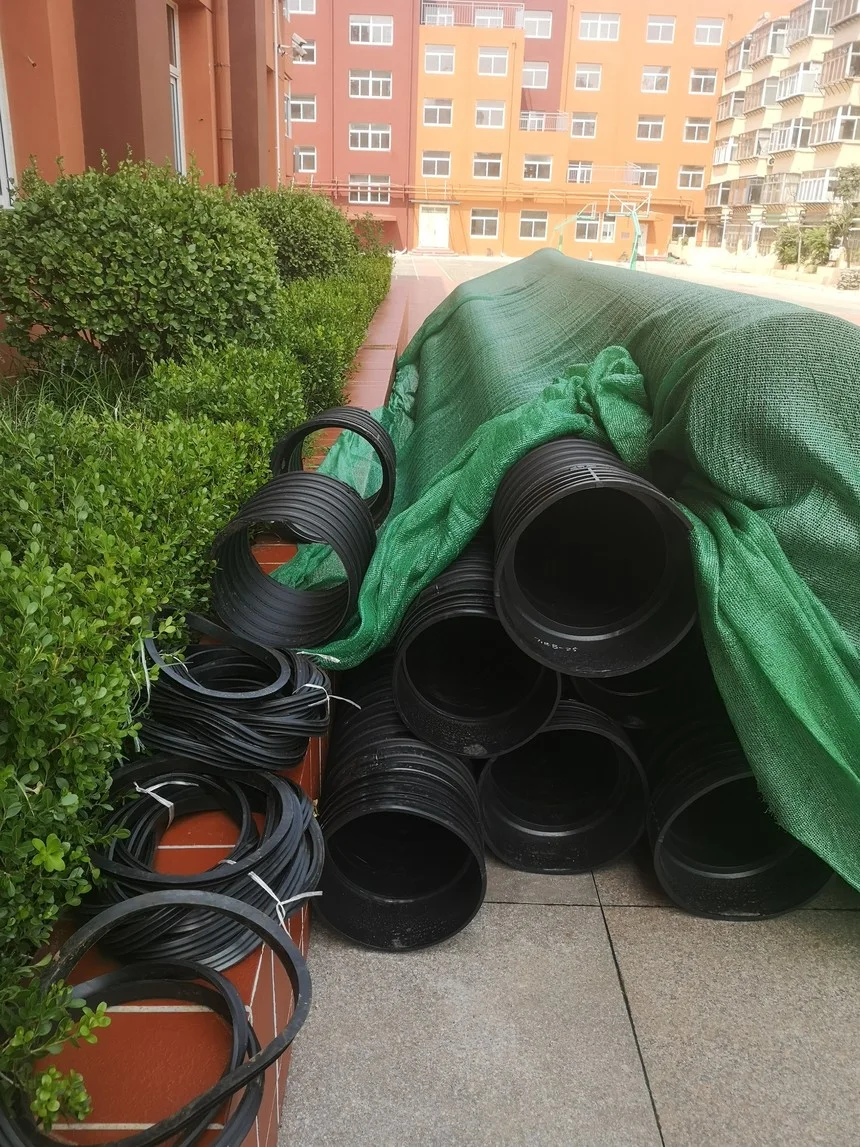
Large-diameter sewer and stormwater pipelines are selected around more than nominal size. Flow requirement, installation conditions, stiffness, connection method and delivery constraints all affect the appropriate piping system. A complete project brief helps the manufacturer and project team review the right technical path early.
1. Start with the application and flow requirement
State whether the pipeline is for municipal sewer, drainage, stormwater, a culvert, a storage function or a marine outfall. The conveyed medium and the required flow capacity set the context for all later decisions.
Provide the required pipe diameter clearly and state whether the dimension is an internal diameter, outside diameter or nominal designation. This prevents different parties from comparing unlike dimensions.
2. Define installation and ground conditions
Describe the installation method, burial depth, groundwater conditions, traffic loading and any unusual soil conditions. For gravity-flow systems, ring stiffness and the selected wall structure must be considered with the project installation conditions.
If the route includes transitions, chambers, crossings or connections to other materials, identify them early. These locations often require project-specific fittings or connection details.
3. Review the complete system, not only the pipe
A large-diameter piping system can include bends, branches, reducers, manholes, flanges and jointing components. Specify the required connection approach and list the parts that must be supplied as part of the project package.
Ask for the technical documents relevant to the selected product: dimensions, material, stiffness, connection method, handling guidance and applicable testing information.
4. Prepare a clear request for technical review
A strong enquiry includes the application, location, required diameter, pipe length, total quantity, stiffness requirement, installation method, applicable standard, delivery date and drawings. This gives the engineering team a reliable basis for a practical response.
For oversized requirements, also discuss handling and logistics early. Shunfang can assess on-site production for pipe projects above 3 metres in diameter.
Continue the product review
Compare the project inputs with the large-diameter HDPE structured-wall pipe system, then send the available parameters through the technical enquiry form.
Build a specification brief that different suppliers can read consistently
The most useful specification brief separates confirmed requirements from items that still need engineering review. This prevents a preliminary assumption from being copied into a quotation as if it were an approved design value. It also makes later revisions easier to track.
Prepare these inputs in one project document:
- Service: sewer, combined wastewater, stormwater, culvert, storage or outfall
- Design flow and any known hydraulic constraints
- Diameter with the basis stated as internal diameter, outside diameter or nominal designation
- Route length, individual pipe length and total required quantity
- Burial depth, groundwater, soil, traffic and other external-loading information
- Required ring stiffness or the design information needed to determine it
- Proposed connection method, chambers, branches, reducers and transitions
- Applicable project standard, inspection documents and delivery programme
If a value is not yet known, mark it as preliminary instead of guessing. A supplier can then identify the missing decisions and explain what information is needed next.
Compare large-diameter HDPE pipe quotations on the same basis
A low unit price does not necessarily represent the lowest project cost. Compare the pipe, fabricated components, connections, inspection documents, handling plan and technical support as one supply package. Confirm whether quoted dimensions use the same basis and whether quantities include fittings, chambers, transitions or spare jointing materials.
Logistics also become part of the technical comparison as diameter increases. Review section length, loading limits, unloading, storage space, lifting and the distance from storage to the trench. For pipe projects above 3 metres in diameter, on-site HDPE pipe production can be assessed as a possible logistics route, but feasibility depends on the actual product system, site and schedule.
Before placing an order, request the dimensional information, material description, connection details, relevant inspection scope and installation guidance for the selected configuration. These documents should describe the offered product, not a generic pipe family.
Common sewer and stormwater specification questions
Is nominal diameter alone enough to request a quotation?
No. Nominal diameter does not describe flow duty, dimensional basis, stiffness, burial conditions, jointing or the required components. A quotation based on diameter alone is likely to contain assumptions that make supplier comparisons unreliable.
Should ring stiffness be selected without installation information?
Ring stiffness is an important input for a buried structured-wall system, but it should be reviewed together with burial depth, soil support, groundwater, surface loading and installation practice. The project designer remains responsible for the final installed-system design.
When should fittings and chambers be discussed?
Discuss them during the first technical review. Branches, reducers, bends, manhole interfaces and transitions to other materials can affect fabrication scope, connection planning, schedule and inspection.
What should be sent with an enquiry?
Send the available drawings, application, location, flow, diameter basis, route length, quantity, stiffness requirement, installation conditions, connection preference, standard and target delivery date. Use the HDPE pipe project enquiry form to keep these inputs together.
Next step: turn the checklist into a technical review
A strong large-diameter HDPE sewer or stormwater enquiry does not need every design decision to be final. It needs the known requirements to be clear, the unknowns to be visible and the supply boundary to be defined. Review the large-diameter HDPE structured-wall pipe system and submit the available project information for the next technical questions.
Technical content is based on Shunfang company materials and general project-selection considerations. Final product selection requires project-specific review.
Discuss your pipe project