
Large-diameter HDPE systems serve different purposes. This guide separates gravity-flow structured-wall applications from pressure water requirements.
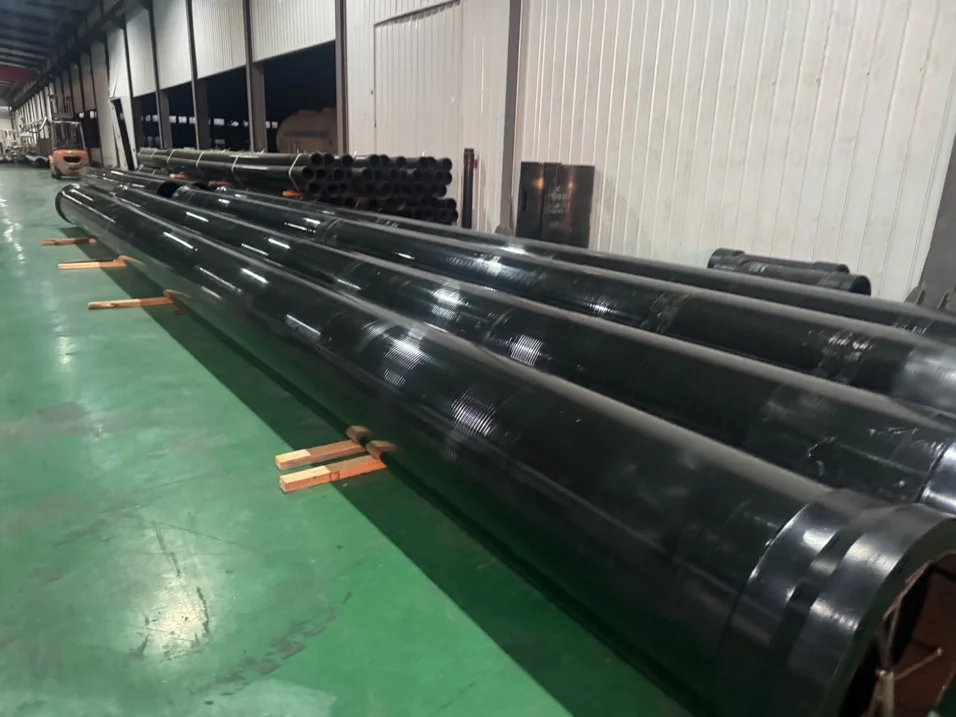
HDPE is used in many water and environmental infrastructure applications, but not every HDPE pipe is selected by the same criteria. The first technical question is whether the pipeline operates as a gravity-flow system or a pressure system. That answer determines the product family, design inputs and information required for a useful review.
Structured-wall HDPE pipe for gravity-flow infrastructure
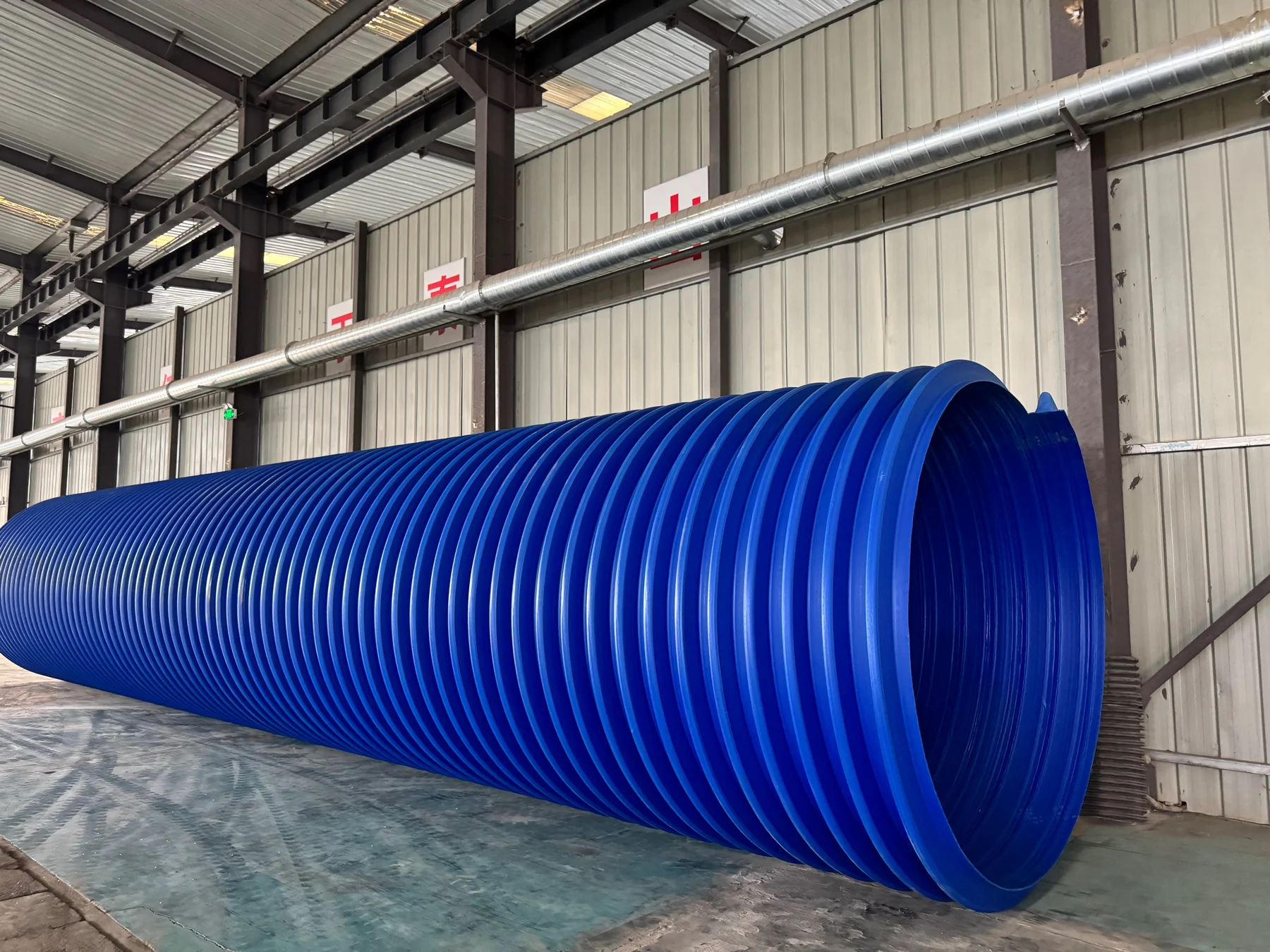
Structured-wall pipe is commonly considered for drainage, stormwater, sewer and sea-outfall applications. The wall construction is designed to provide structural performance while maintaining a smooth internal flow surface.
Selection normally focuses on diameter, required flow capacity, ring stiffness, burial and ground conditions, jointing method and the need for fittings or access structures. Shunfang manufactures large-diameter structured-wall HDPE pipe with PE80 or PE100 material and a maximum production diameter of up to 6 metres.
HDPE pressure pipe for water transmission
Pressure-pipe selection begins with the operating pressure and the conveyed medium. The project team should provide the design pressure, maximum operating conditions, pipe diameter, installation method and required connection details.
For a DN560 high-pressure water-pipe test reference, Shunfang reported a 1.6 MPa design pressure, 2.4 MPa pressure holding for 118 hours and a maximum test pressure of 3.4 MPa. Final product selection must always follow the project-specific technical requirement.
Questions to answer before choosing
Is the pipeline designed for gravity flow or internal pressure? What is the required diameter basis: ID, OD or DN? What are the installation conditions, connection requirements, quantity and delivery schedule?
Answering these questions before requesting a quotation prevents a common problem: comparing pipe options that have different performance assumptions or different dimensional bases.
Compare the two product paths
Review the HDPE pressure pipe system for pressurized conveyance and the large-diameter structured-wall pipe system for gravity and buried structural duty.
Use operating duty as the first selection filter
The simplest useful distinction is whether internal pressure drives the design or whether the pipeline primarily conveys flow by gravity while resisting external soil and traffic loads. This separates the first product path without pretending that product selection is complete.
For a pressure system, prepare the conveyed medium, design flow, operating pressure, maximum pressure condition, diameter basis, route and jointing requirement. For a gravity structured-wall system, prepare the flow requirement, diameter basis, gradient, burial depth, ground conditions, groundwater, loading and ring-stiffness requirement.
Some projects contain both duties. A plant may use pressure pipe for transfer and structured-wall pipe for gravity discharge. Treat each pipeline segment according to its own operating condition instead of applying one product description across the complete site.
Compare the installed system, not only the wall construction
The pipe body is one part of a working pipeline. The comparison should include straight pipe, joints, fabricated fittings, chambers, interfaces, handling, inspection and installation support. Ask how the proposed connection method works with the section length and site sequence.
Use one comparison sheet for all suppliers:
- Product structure and intended operating duty
- Material description and dimensional basis
- Published size range and the exact offered dimensions
- Pressure class or ring-stiffness requirement, as applicable
- Straight lengths, fittings and special fabrication
- Jointing method and required site equipment
- Inspection documents and traceability scope
- Packaging, transport, unloading and installation guidance
Do not compare a pressure rating with a ring-stiffness value as if they express the same performance. They answer different engineering questions. The final design should follow the applicable project standard and be reviewed by the project engineer.
Avoid three common product-selection mistakes
The first mistake is using “HDPE pipe” as a complete specification. HDPE is the market category, while wall structure, reinforcement, duty and dimensional basis identify the actual system. The second is assuming that the largest published diameter applies to every configuration. Shunfang's published capability up to 6 metres belongs to the structured-wall drainage system, not automatically to each pressure-pipe arrangement. The third is requesting price before defining connections and supply scope.
These mistakes can be reduced by reviewing the HDPE pressure pipe product page and the large-diameter structured-wall HDPE pipe page as separate product paths.
Frequently asked selection questions
Is structured-wall HDPE pipe a pressure pipe?
The structured-wall system presented on this website is positioned for gravity-flow drainage, sewer, stormwater and related buried structural duties. A pressurized water requirement should begin with the pressure-pipe system and its project-specific pressure review.
Does “up to 6 m” describe every Shunfang HDPE pipe?
No. The published up-to-6-metre manufacturing capability is associated with the large-diameter structured-wall drainage product. The offered diameter, wall structure, performance and manufacturing route must be confirmed for each project.
Which information produces the fastest useful response?
Provide the application, operating mode, medium, flow, diameter basis, pressure or ring stiffness, length, quantity, connection, installation conditions, destination and schedule. Drawings are particularly useful when the system includes fabricated components or interfaces.
Choose the product path, then review the project
Structured-wall versus pressure HDPE pipe is not a contest between two interchangeable products. It is a decision about operating duty and installed-system requirements. Once that first distinction is clear, use Shunfang engineering support to review the remaining dimensions, performance, connection and delivery questions.
Technical content is based on Shunfang company materials and general project-selection considerations. Final product selection requires project-specific review.
Discuss your pipe project